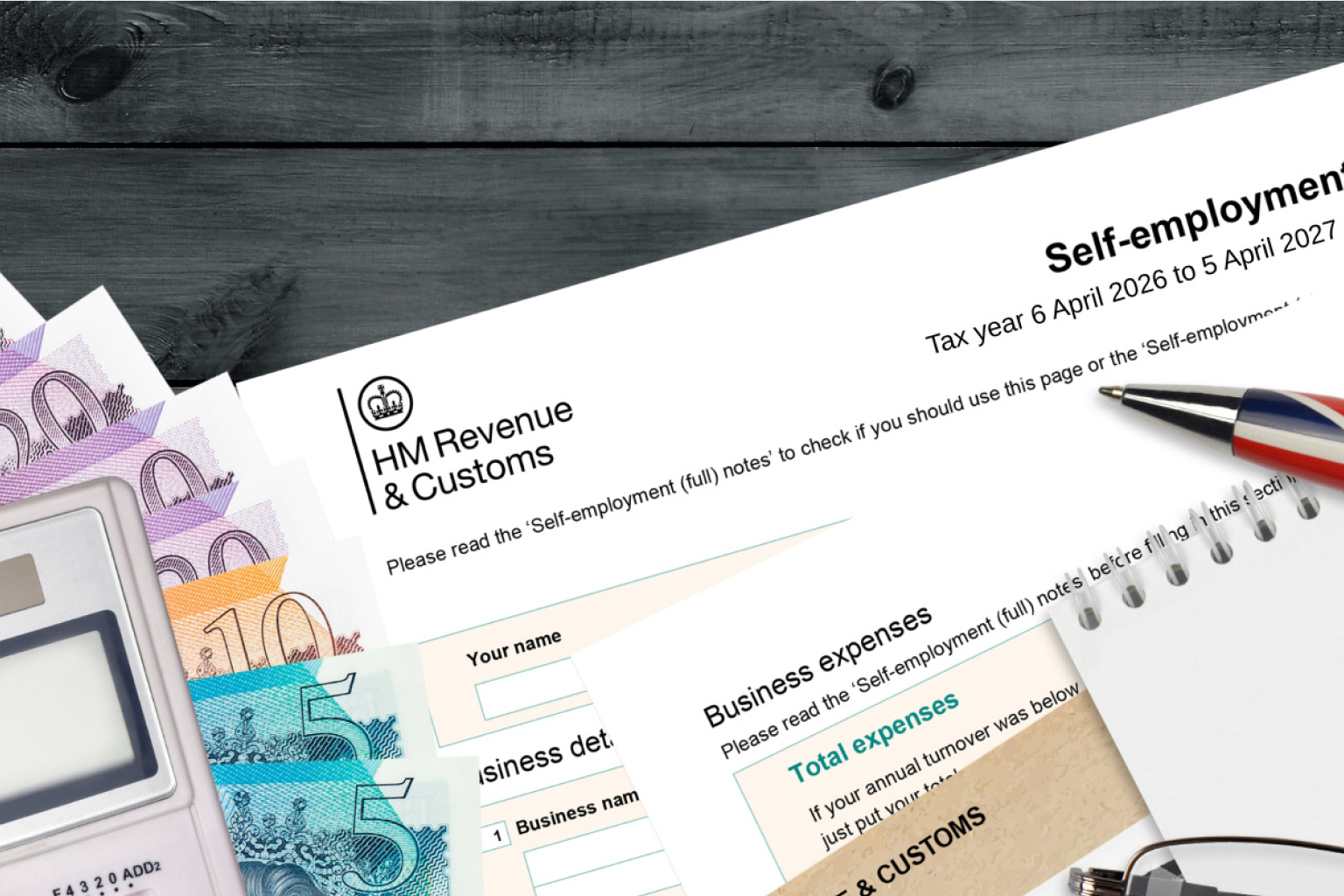
If you’re the owner of a small business, it is imperative that you understand about business expenses. This doesn’t simply mean knowledge of the basics of bookkeeping, it also means knowing how to protect your profits, stay compliant and avoid paying more tax than you actually need to.
Claiming the right business expenses can cut your taxable profits by a lot, but the rules aren’t always clear. In fact, many SMEs either miss out on legitimate tax benefits, or accidentally claim expenses they aren’t allowed to, which makes them more likely to be flagged on HMRC’s radar. This is why you need to fully understand business expenses, how they affect your tax, what you can and can’t claim, and why it’s important to get it right.
What Are Business Expenses?
Business expenses are the costs that you pay to run your business. To be allowed, the expense has to be necessary for the business and not a personal purchase. If the expense is for both personal and business use, you can only claim the business part. When you’re figuring out your taxable profit, you take your turnover and subtract your allowable expenses, and that’s the amount your business is taxed on. If you don’t claim all of your eligible expenses, you might end up having to pay more tax than you need to.
Common SME Business Expenses
The types of expenses you can claim depend on how your business is set up and what it does, but the following categories apply to most SMEs.
Costs for the Building and Office
If you run your business from a physical location, you can usually claim payments for rent or mortgage, utilities and maintenance. If you run your business from home, you might be able to claim some of your household expenses, like electricity, heating, phone and internet costs. Claims must be fair and reasonable and you can either use HMRC’s simplified flat rate allowances or calculate out how much you actually use.
Costs of Staff and Employment
If your business has employees, you can usually claim salaries, contributions to a workplace pension, some staff benefits, training and courses as allowable expenses. However, training needs to be related to helping people to get better at what they already know how to do, not to help them switch careers.
Costs of Travel and Living
People often make mistakes when they travel for work. You can usually claim back expenses for fuel or mileage, transport – such as train, bus, and plane tickets for work trips – vehicle costs, hotel rooms and food whilst you’re on a business trip. However, you can’t claim the normal costs of commuting between your home and workplace.
Tools, Software and Equipment
Regardless of the industry that you work in, your business is bound to have tools, software or equipment it relies on to function. Things like laptops, computers, mobile phones used for work, subscriptions to software, office furniture and tools can all be claimed as expenses.
Fees for Professionals and Insurance
As long as they’re properly recorded, professional costs and insurance can be claimed. This includes fees for accounting and bookkeeping, legal expertise, consulting, professional subscriptions and business insurance.
Advertising and Marketing
You can usually claim expenses for designing and hosting websites, paid ads – such as those on Google or Facebook – branding and advertising materials. However, marketing costs can only be claimed if they promote your business, not your own personal projects.
Things You Can’t Claim as Business Expenses
Knowing what expenses you can’t claim is just as important as knowing what you can claim, and there’s a few key costs that fall into this category.
Costs for Yourself
You’re not allowed to claim personal clothing – unless it’s part of a uniform or protective gear – holidays, personal shopping, food or commuting costs.
Entertaining Clients
You’re not allowed to claim the cost of entertaining clients, including food and drinks for customers, tickets for events, costs of hospitality and entertainment. This is the case even if the entertaining leads to your business securing work or closing a deal.
Fines and Penalties
If you’re unlucky enough to get a fine or penalty, you won’t be able to claim the cost as a business expense. This includes fines for parking, fines for filing tax returns late, and interest and penalties from HMRC.
The Personal Part of Mixed Use Costs
You might have to split some costs across personal use and business use, like phones, internet or cars that you use for work and family life. You’re only allowed to claim for the business part, which means working out the percentage. You can’t claim for 100% of the cost if it’s partly used personally.
Why It’s Dangerous to Get Business Expenses Wrong
Making mistakes on expense claims can have a serious impact, and it’s not something to be taken lightly. You run the risk of claiming too much. If you claim too much, you could be questioned or investigated by HMRC. If you’re found to have made an error, you’ll need to pay back taxes, interest and fines. But, you could also end up underclaiming, and you don’t want to end up paying more tax than you need to. Not only does this lead to less money being in the business, you could also miss out on investment opportunities.
To defend your claims, you need to keep good records, so always save receipts, bills and invoices. It’s also a good idea to open a separate business bank account and write down the reason for each business expense. HMRC can look back several years, so it’s important to keep records to prove what you’re claiming.
Sign up to our newsletter to get the latest from Business Advice.

 If you’re the owner of a small business, it is imperative that you understand about business expenses. This doesn’t simply mean knowledge of the basics of bookkeeping, it also means knowing how to protect your profits, stay compliant and avoid paying more tax than you actually need to.
Claiming the right business expenses can cut your taxable profits by a lot, but the rules aren’t always clear. In fact, many SMEs either miss out on legitimate tax benefits, or accidentally claim expenses they aren’t allowed to, which makes them more likely to be flagged on HMRC’s radar. This is why you need to fully understand business expenses, how they affect your tax, what you can and can’t claim, and why it’s important to get it right.