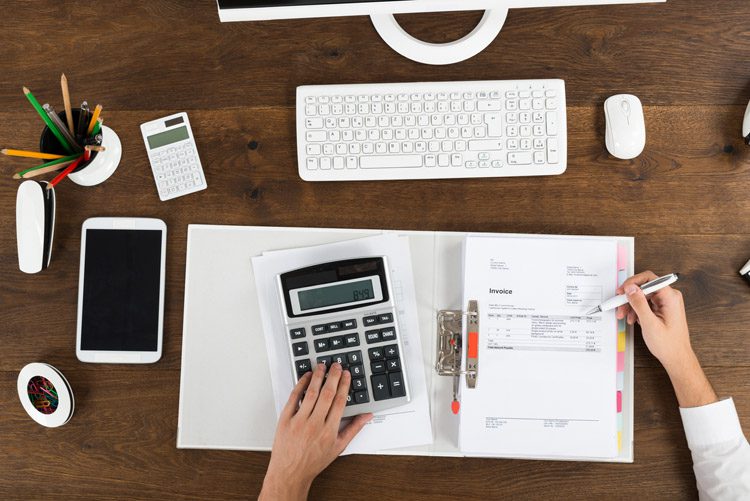
Small firms susceptible to late payments risk bankruptcy
Government fees for an individual applying for bankruptcy will fall from 705 to 655 in April a seven per cent reduction it has been announced.
According to the insolvency professionals? trade body R3, the application fee is falling as part of a switch from debtor-petitioned bankruptcy orders being issued by UK courts, to an online adjudicator system of issuing orders. Further changes to the system are likely, said R3.
Currently, government bankruptcy fees consist of a 525 deposit and a 180 application fee. This application fee is falling to 130 from April, but creditors wishing to make a bankruptcy order against a debtor will still need to petition courts.
Welcoming the news, chairman of the personal insolvency committee at R3, Stuart Frith, said: Government fees for entering bankruptcy can be a real obstacle for people trying to deal with debt problems and lower fees mean a lower barrier to debt relief.
Despite bankruptcy fees also now able to be paid in installments from April, Frith called for further changes to take the pressure off debtors. While it’s a step in the right direction, we would much rather see the fees paid over the course of the bankruptcy rather than up-front, added Frith.
people should have to wait to exit bankruptcy until the fees are paid in full rather than wait to enter it. It would be better for everyone if people with unsustainable debts could access the protections offered by bankruptcy when they need it, not when they can afford it. 655 is a sizeable sum for someone to have to find when they have debt problems.
In October last year, R3 successfully encouraged the government to increase the threshold of the amount a debtor must owe to a creditor before that creditor can call for the debtor’s bankruptcy. A debtor must now owe at least 5, 000 to a creditor, rather than just 750.
the sooner insolvent individuals enter an insolvency procedure, the sooner they can rebuild their finances and the sooner creditors can start to be paid back, argued Frith.
Bankruptcy continues to be a hot topic for small businesses and the self-employed. The majority don’t have time to chase up debts or take suppliers to court, despite frequently suffering from late payments.
Managing director at data provider Ormsby Street, Martin Campbell said: It is hugely unfair that a small business should have to spend precious time and resources chasing payment for work that has already been delivered.
late invoice payment is fast becoming the scourge of small business in the UK, causing cash-flow issues that can impact growth and even the very existence of a business, Campbell told Enterprise Times.
Can automated-payment technology change the late-payment culture that holds back small business? Read our supply chain expert’s opinion.