Simon Brookes, founder and managing director of construction payroll provider, Mineral Payroll, a two-year old firm with a projected £30m revenue this year, made the transition from a sales director job in a previous company to an MD role alongside a founder role, in his current business. Below, he sheds light on making the transition to MD, including lessons learned.
1. Ask questions
When I started the MD role at Mineral Payroll, I realised there were some elements of the job that I hadn’t been privy to, as it wasn’t part of my remit as sales director.What I learned quickly was it was okay to be vulnerable and say I’m not sure what this means; whether it was talking about the P&Ls of the business or the bookkeeping side or VAT. These were things that I had never dealt with in detail before. I had to be brave and say, I don’t know what this means, can you help me? If you’re new to an MD role, go to the right people, whether it be your accountant, bookkeeper, or your peers, even clients. I’ve had many frank conversations. You might feel that you’re being naive in not knowing things, but if you don’t own that, you aren’t going to understand the things that you don’t know.
2. Ask about asking the questions
I wasn’t aware of what questions I should ask as I wasn’t aware there was an answer to something, or that something was going to be a problem because it wasn’t something I’d ever dealt with in the past. In an MD role, you’re suddenly aware of the fact there are things you’re not aware of, and you don’t necessarily know how to ask that question. Knowing what questions to ask is half the battle, let alone when you are aware that there is some chinks in your armour and things you’re not aware of.Be brave enough to say, I don’t know this, I need help and support. Put it out there to your peers or other professionals that do know the answers. It’s a very steep learning curve.
3. Break down your goals
I naively thought I could change the world in 20 minutes, and it definitely wasn’t the case. To do things properly takes a little more time and even now there’s some things I want to and still wish to adjust and change within the business that I haven’t done yet. Now the decision is mine, I want to get it right and I’m sitting on the fence on a couple of things. I guess that’s because I understand the gravity of getting these things right or wrong and the implications. What I would say is don’t rush into changing everything straight away. Start with some easy, quick wins. Have a list of things you wish to do or wish to look at and review when it comes to your business. Pick the low lying fruit initially and start with the easy ones. Don’t rush into changing anything on a large scale.I’ll give you an example. We have a system to register the operatives we pay on behalf of our clients remotely. I rushed in and changed the process that I wasn’t aware was linked to the registration process, and it caused a massive problem. It ended up taking myself and a colleague two to three days to rectify. That was me rushing into something I thought would be very simple. I didn’t look at it in enough detail and it cost us financially and in time.So, I would say have a list to work through at the start with the easiest stuff and once they’re out of the way, you can devote a bit more time and energy to the more complicated or important aspects. If it’s not broken, don’t fix it straight away.

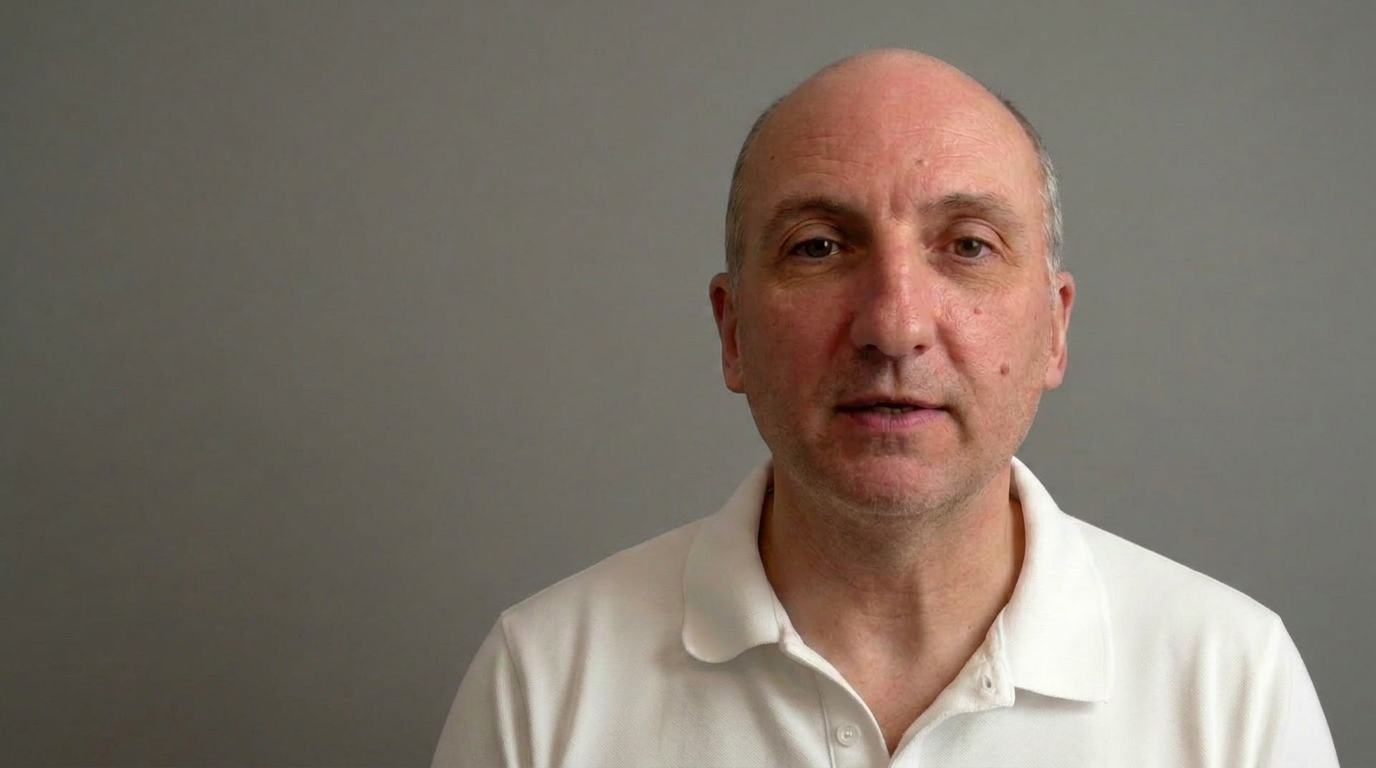 Simon Brookes, founder and managing director of construction payroll provider, Mineral Payroll, a two-year old firm with a projected £30m revenue this year, made the transition from a sales director job in a previous company to an MD role alongside a founder role, in his current business.
Below, he sheds light on making the transition to MD, including lessons learned.