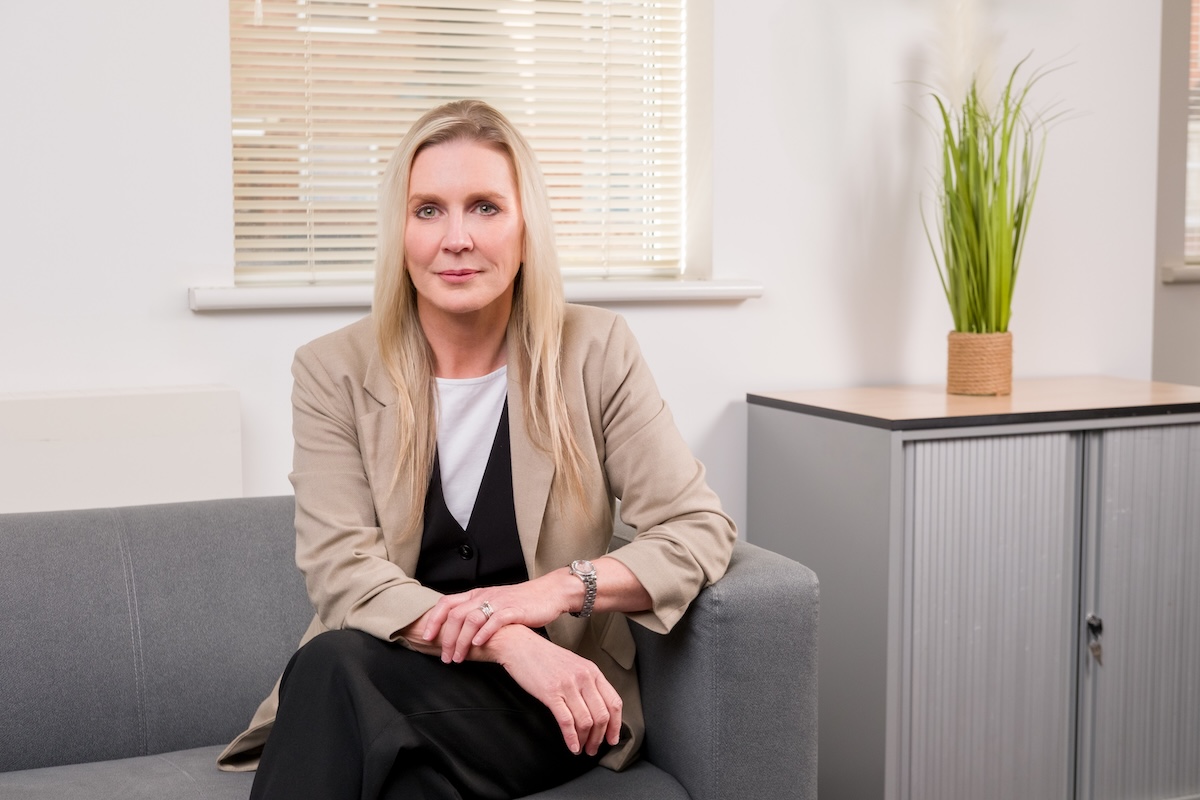
Paul Webb is the co-founder of Black Bee Honey, a business started to bring back enjoyment and pride in the UK honey industry. The business sells raw, unblended honey sourced exclusively from British producers and is now a certified B Corporation.
Being B Corp certified means your company meets high standards of social and environmental performance, transparency and accountability. But it’s not just a badge. For a small business, it’s an opportunity to build stronger systems, introduce greater accountability and understand where meaningful improvements can be made.
Below are my four key pieces of advice for founders considering B Corp certification.
1. Bring in an expert
We initially tried to manage the application internally, but as a small team we found ourselves floundering. The assessment is extremely detailed, with a significant amount of work and documentation involved. It was only when we brought in an external specialist to guide us through the process that we finally got over the line.
Unless you already have an experienced sustainability lead and a team with enough capacity to manage the application, my main advice would be to get expert support.
2. Be prepared to examine the entire business
B Corp certification looks across the board at your social and environmental impact, governance and business practices. That means examining everything from your supply chain and financial processes to HR policies, stakeholder engagement and your company’s Articles of Association.
HR was a particularly substantial part of the process for us. We had to make sure the right documentation was in place across the business, including our staff handbook and the policies governing how we operate.
Don’t underestimate the paper trail involved. Start gathering evidence early and make sure somebody is responsible for keeping the application moving.
3. Treat the assessment as a chance to improve
There is a lot of documentation, but very little of it felt unnecessary. In most cases, we were filling gaps that should have been addressed anyway.
The process also encouraged us to bring more external scrutiny and different perspectives into the business. We appointed two non-executive directors to attend board meetings and help
assess our direction of travel. We also created an informal creative council through which people with an interest in Black Bee Honey could contribute to decision-making.
That expanded our network and introduced us to people from diverse backgrounds with valuable expertise. It also had marketing benefits, although that wasn’t its primary purpose.
4. Use the findings to focus your efforts
The assessment can show you where your business is performing well and where its biggest impacts really sit.
For example, we commissioned a carbon report and discovered that honey production itself creates very few emissions. It is a manual, relatively unmechanised form of farming, and our honey is transported locally within the UK.
Most of our emissions were coming from packaging. That gave us a much clearer idea of where to concentrate our efforts.

 Paul Webb is the co-founder of Black Bee Honey, a business started to bring back enjoyment and pride in the UK honey industry. The business sells raw, unblended honey sourced exclusively from British producers and is now a certified B Corporation.
Being B Corp certified means your company meets high standards of social and environmental performance, transparency and accountability. But it’s not just a badge. For a small business, it’s an opportunity to build stronger systems, introduce greater accountability and understand where meaningful improvements can be made.
Below are my four key pieces of advice for founders considering B Corp certification.